
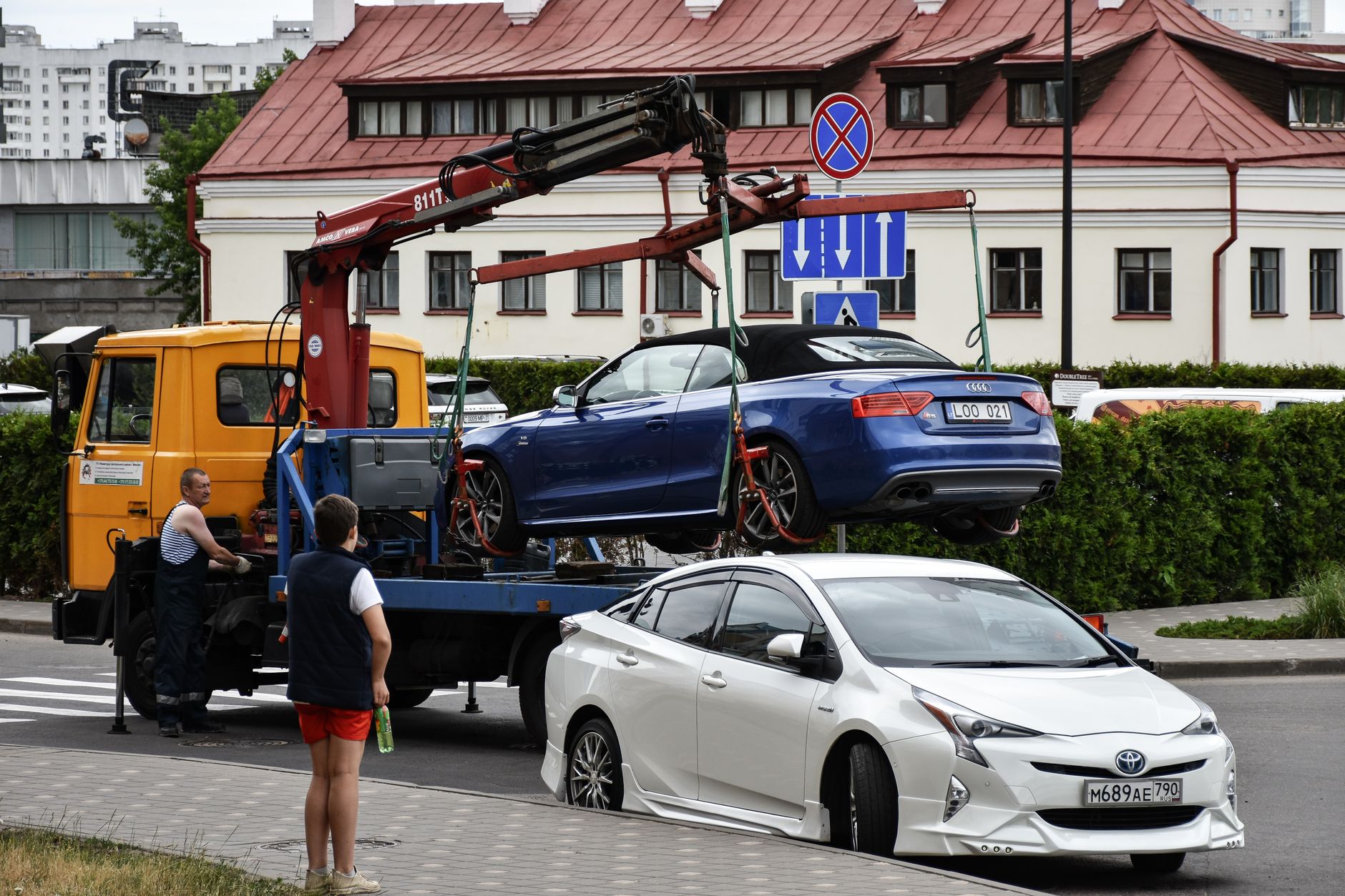
What to Do After a Hit and Run: Legal Steps and Reporting
If you've been involved in a hit and run, immediately ensure safety, call 911 to report it as an active crime scene, document everything with photos and witness information, file a police report within 24 hours, contact your insurance company, and consult a personal injury attorney before accepting any settlement. The first hour after the incident determines whether you'll recover damages or pay out of pocket—most victims lose thousands by skipping critical evidence collection steps that can never be recreated later.
Quick Answer
- Call 911 immediately while still at the scene—hit and run is a crime, not just an accident, and requires law enforcement documentation
- Photograph everything within a 50-foot radius: tire marks, debris, property damage, traffic cameras, and witness locations before anyone leaves
- File a police report within 24 hours—some states have strict reporting windows that affect insurance claims and criminal prosecution
- Contact your insurance company within your policy's notification period (often 24-72 hours) to preserve uninsured motorist coverage
- Never post about the incident on social media—defense attorneys routinely use your own posts to deny claims or reduce settlements
- Consult a personal injury attorney before signing anything—insurance companies often offer quick settlements worth 10-30% of actual damages
- All four corners of your vehicle from 10 feet away (establishes pre-damage condition)
- Every scratch, dent, and damage point from multiple angles with close-ups
- Tire marks, debris, and paint transfer on the road and your vehicle
- Street signs and landmarks proving exact location
- Traffic cameras, security cameras on buildings, and Ring doorbells within view
- License plates of vehicles still at the scene (possible witnesses)
- Full name and phone number
- What they saw (record their verbal statement)
- Their location when the accident occurred
- Whether they have dashcam footage
- Partial plate number (even one digit helps—there are only so many silver Hondas with plates ending in "7" in your county)
- Make, model, color, body style
- Damage to their vehicle
- Distinguishing features (bumper stickers, roof racks, missing hubcaps)
- Direction they fled
- Approximate speed
- Your statement that the other driver fled the scene
- Witness names and statements
- Visible injuries (even if minor)
- Description of the other vehicle
- Your request to pursue criminal charges
- You were in a hit and run
- You have a police report number
- You have photos and witness information
- You're seeking coverage under uninsured motorist provisions
- Injuries requiring more than basic first aid
- Claims over $10,000
- Insurance company denies your claim
- You don't carry uninsured motorist coverage
- Police report timelines against call logs
- Damage patterns against your description
- Medical records against your injury claims
- Witness statements against your account
- Time of accident
- When police arrived
- When you called insurance
- When you sought medical care
- What you photographed
- Who you spoke with
Why This Actually Matters
The average hit and run claim settles between $15,000 and $75,000 when handled correctly. Handle it wrong, and you'll pay repair costs, medical bills, and lost wages entirely out of pocket.
Here's what's actually at stake: Your uninsured motorist coverage only pays if you follow your policy's reporting requirements exactly. Miss the 72-hour notification window that most policies require, and your claim gets denied automatically. That $8,500 in car repairs becomes your problem.
Medical bills compound faster than you expect. That "minor" neck pain turns into $23,000 in physical therapy over six months. Without proper documentation from day one, insurance companies classify these as pre-existing conditions.
Your insurance premiums increase an average of 12-15% after any accident claim, even when you're not at fault. But if you skip filing a police report and later need to claim, some insurers flag it as fraud and drop your coverage entirely.
What Most People Get Wrong About Hit and Run Response
The biggest mistake? Treating it like a regular accident instead of a crime scene.
Most people exchange information (when possible), take a couple photos, and move on. That approach works for normal accidents. Hit and runs require criminal investigation documentation, witness statements, and evidence preservation that you can never recreate 24 hours later.
What most people don't realize: When the other driver flees, you become both victim and investigator. Police won't conduct CSI-level investigation for property damage cases—they're handling dozens of reports daily. You must collect evidence that proves another vehicle hit you, establishes damages, and demonstrates you weren't at fault.
The second critical error is assuming your collision coverage handles everything. Collision coverage only covers accidents where you have the other driver's information. Hit and runs fall under uninsured motorist property damage (UMPD) or uninsured motorist bodily injury (UMBI)—completely separate coverage that many people don't carry or understand.
The real reason people skip proper documentation? Shock. Your brain doesn't function normally after someone crashes into you and drives away. You're angry, confused, possibly injured. This is exactly why you need a mental checklist before this ever happens.
Exactly What to Do — Step by Step
Step 1: Ensure immediate safety and call 911 from the scene
Pull over safely, turn on hazards, and exit your vehicle only if it's safe. Call 911 immediately—not your insurance company, not your spouse. Dispatchers need to log the incident while it's active.
Tell the dispatcher: "I need to report a hit and run accident with injuries/property damage at [exact location]." Use those exact words. This creates a police report number and triggers proper response protocols.
Pro tip: Stay on the line even after giving your location. Dispatchers often gather critical details (vehicle descriptions, direction of travel) that get written into the official report. These details carry more weight than what you tell officers later.
Step 2: Document the scene comprehensively before anything moves
Take 20-30 photos minimum. Most people take 3-4 and miss critical evidence.
Photograph:
Pro tip: Turn on your phone's location services before taking photos. The metadata stamps exact GPS coordinates and timestamps that insurance adjusters and attorneys use to verify your account.
Step 3: Collect witness information immediately—before they leave
Witnesses disappear. You have maybe 5-10 minutes before people drive away.
Approach anyone who stopped and ask: "Did you see what happened? Can I get your contact information?" Most people will help if you ask directly.
Record on your phone:
What most people don't realize: Witnesses who stay at the scene are often willing to provide written statements later. Ask if they'd be willing to talk to police or your attorney. Their neutral third-party account is worth more than your own statement.
Step 4: Note every detail about the fleeing vehicle while memory is fresh
Write down or voice-record immediately:
Even vague descriptions help. "Older white pickup truck with ladder rack" narrows down suspects significantly.
Step 5: File the police report and get the report number before leaving
When officers arrive, provide clear, factual statements. Stick to what you know—don't speculate about speed, cause, or intent.
Critical items to confirm get included in the report:
Get the police report number before officers leave. You'll need this for every subsequent step.
Pro tip: Request a copy of the police report within 48 hours. Police reports often contain errors—witness names misspelled, damage descriptions wrong, critical details omitted. You can submit corrections, but only if you catch errors quickly.
Step 6: Notify your insurance company within policy deadlines
Most policies require notification within 24-72 hours. Check your policy or call immediately to preserve coverage.
Tell your insurance company:
Don't apologize, don't speculate about fault, and don't accept initial settlement offers on the phone.
Step 7: Document all injuries and seek medical evaluation within 24 hours
Even if you feel fine. Adrenaline masks injuries for hours or days.
Visit an emergency room or urgent care for examination. Tell them you were in a vehicle accident. Key phrase: "I was in a motor vehicle collision and want to be evaluated for injuries."
This creates medical records linking your injuries to the accident. Wait three days, and insurance companies argue injuries came from something else.
Step 8: Consult a personal injury attorney before signing anything
Most personal injury attorneys offer free consultations. Bring your police report, photos, and insurance correspondence.
When you need an attorney:
Attorneys work on contingency (typically 33% of settlement). They increase settlement values by an average of 3.5 times what you'd negotiate alone.
The Most Critical Step Broken Down
Filing the police report correctly matters more than anything else.
Here's what separates successful claims from denied ones: the quality and completeness of the police report.
Demand officers include these specific items:
"Officer, please include in your report that the other vehicle fled the scene before exchanging information, making this a hit and run under [your state] law. I'd also like you to note the visible damage to my vehicle and my complaint of neck and back pain. Please list all witnesses who provided statements."
Use legal terminology. Say "fled the scene" not "drove away." Say "failed to stop and exchange information as required by law." This language triggers criminal investigation procedures and affects how insurance companies classify the claim.
Get the sergeant's contact information if the responding officer seems rushed or dismissive. You can request supplemental reports if critical details get omitted.
Request to pursue criminal charges explicitly. Hit and run is a misdemeanor or felony depending on your state. Criminal prosecution often leads to identifying the driver, which converts your uninsured motorist claim into a direct claim against the at-fault driver.
The Mistakes That Cost People the Most
Mistake #1: Leaving the scene to "follow the other car"
Never chase the fleeing vehicle. You could cause a second accident, escalate to violence, or get charged with reckless driving yourself.
What most people don't realize: Your insurance company needs you at the accident scene to document damage. Leave, and you've just contaminated the evidence. Police can't verify your damage occurred at the reported location. Your claim gets flagged for investigation.
Mistake #2: Posting about the incident on social media
"Can't believe some jerk just hit my car and drove off! Anyone know a good lawyer?"
Defense attorneys subpoena social media accounts. They're looking for you saying "I'm fine" or posting photos of you doing physical activities. These posts get used to argue you weren't actually injured or that injuries came from other activities.
The real reason this fails: Insurance companies hire investigators to document claimants' online presence. One Facebook photo of you lifting weights while claiming a back injury can tank a $50,000 settlement.
Mistake #3: Accepting the first insurance settlement offer
Initial offers typically cover property damage only—the $8,500 to fix your car. They arrive within 10-14 days, before medical bills, lost wages, and pain and suffering become clear.
Sign that release, and you waive all future claims. Your $3,200 in physical therapy that starts next month? You're paying it.
What most people don't realize: Medical complications often surface 2-6 weeks after accidents. Soft tissue injuries, herniated disks, and psychological trauma don't show immediately. Attorneys wait until you reach "maximum medical improvement" before settling—typically 6-12 months.
Mistake #4: Failing to use uninsured motorist coverage because "it wasn't my fault"
Your collision coverage doesn't apply to hit and runs in most states. You need uninsured motorist property damage (UMPD) and uninsured motorist bodily injury (UMBI).
Many people don't carry this coverage or don't realize they have it. Check your policy declarations page under "UM/UIM Coverage."
The real reason people miss this: Insurance agents often present UM coverage as optional to lower premiums. It typically costs $50-150 per year. That small saving leaves you with $25,000 in uncovered damages after a hit and run.
What Professionals Actually Do
Personal injury attorneys immediately hire investigators to canvass the area for camera footage. Traffic cameras retain footage for 7-30 days. Private business cameras often record over footage within 48-72 hours.
Attorneys send preservation letters to businesses within 24 hours demanding they save footage. You can do this yourself—draft a simple letter requesting they preserve surveillance footage from specific date/time showing the accident location.
Insurance adjusters verify every detail before paying claims. They're specifically trained to spot inconsistent accident claims. They compare:
Any discrepancy triggers investigation. This is why accuracy matters more than speed.
Collision repair estimators document pre-existing damage before writing estimates. That shopping cart ding from last month? They'll note it and try to exclude it from the claim.
Get your own estimate from a body shop before filing. Know exactly what damage is new.
Smart victims create evidence timelines within 24 hours. A simple document:
This becomes your master reference. Memory fades quickly. Documentation doesn't.
Tools and Resources That Actually Help
National Insurance Crime Bureau (NICB) VINCheck: Free service to verify if the vehicle that hit you was reported stolen. If you got a partial plate, police can use NICB databases to identify the vehicle. This matters because stolen vehicle accidents get handled differently by insurance.
State DMV Witness Information Request Forms: Most states allow accident victims to request camera footage from traffic cameras through formal DMV requests. Search "[your state] DMV traffic camera footage request" for specific forms and processes.
Your State Bar Association Lawyer Referral Service: Find this by searching "[your state] bar association lawyer referral." These services connect you with pre-screened personal injury attorneys who offer free or low-cost initial consultations. Unlike random online ads, these attorneys are verified and monitored by the state bar.
Insurance Information Institute (iii.org): Provides state-specific information about uninsured motorist coverage requirements and typical settlement timelines. Their "What to know about hit-and-run claims" resource explains coverage gaps specific to your state's laws.
Dashcam apps like Nexar or DailyRoads Voyager: For preventing future incidents. These apps turn your smartphone into a dashcam, automatically saving footage when they detect impacts. The before-and-after footage becomes irrefutable evidence for police and insurance claims.
Real-World Example
Consider someone who gets sideswiped at a stoplight in suburban Phoenix at 7:30 AM. The other vehicle—a dark blue sedan—runs the red light and flees northbound.
The wrong approach: They take two photos of the scratch on their door, exchange information with no witnesses, drive home, and call insurance the next day. Their insurer asks for the police report number. They don't have one. The claim gets classified as "unable to verify hit and run"—their $6,800 repair bill gets denied. They now face a choice: pay out of pocket or file under their collision coverage and pay the $1,000 deductible plus accept premium increases.
The professional approach: They immediately call 911 from the intersection. While waiting for police, they photograph all damage, the intersection from four angles, the traffic light camera pole, and the nearby gas station security camera. They approach the driver who stopped behind them and get their contact information—this witness saw the blue sedan run the red light.
When police arrive, they provide the witness information and point out the traffic camera. The officer includes all details in the report. Within two hours, they visit urgent care complaining of neck pain and get examined. They contact their insurance company that afternoon with the police report number.
Their attorney sends a preservation letter to the gas station requesting security footage. The footage shows the sedan's full license plate. Police identify the driver, who has no insurance. The victim's uninsured motorist coverage pays the full $6,800 repair bill with no deductible. Their UMBI coverage provides $18,000 for medical treatment and pain and suffering.
The difference? Following the complete process versus assuming car insurance works like health insurance.
Frequently Asked Questions
What if I didn't get any information about the other vehicle?
File the police report anyway and document everything you can remember. Even without vehicle information, your uninsured motorist property damage (UMPD) coverage should pay for repairs minus your deductible. However, you'll need the police report to prove a hit and run occurred—insurance companies won't accept your word alone. Some states allow you to file claims even with zero vehicle information, while others require some identifying details.
How long do I have to file a claim after a hit and run?
Your insurance policy typically requires notification within 24-72 hours (check your policy's "duties after accident" section), but you usually have 1-2 years to file a formal claim under your state's statute of limitations. The police report must be filed within 24 hours in most states—this is a legal requirement, not just an insurance one. The sooner you file everything, the more likely cameras still have footage and witnesses remember details.
Will my insurance rates go up after a hit and run claim?
It depends on your state and insurer. Most states prohibit rate increases for not-at-fault accidents, but your insurer may still raise rates at renewal citing "increased risk exposure." On average, expect 0-15% increases. If you file only under uninsured motorist coverage (not collision), some insurers don't count it as a chargeable accident. Ask your agent before filing which coverage type affects your rates less. Shopping for new insurance after the claim settles sometimes yields better rates than staying with your current carrier.
What's the biggest mistake people make after a hit and run?
Leaving the scene to chase the other vehicle or immediately driving home without documenting anything. The accident scene contains time-sensitive evidence—tire marks, paint transfer, broken glass, and witness memories—that disappear within hours. Once you leave, insurance adjusters can't verify your damage occurred where and how you claim. The second biggest mistake is not seeking medical evaluation within 24 hours, which allows insurance companies to argue injuries came from something else.
What should I do first if I'm reading this right after a hit and run?
If you're still near the scene and it's been less than an hour: call 911 immediately and stay there. If you already left: call police non-emergency line to file a report now (many departments allow late filing with explanation), take photos of all current damage to your vehicle, write down everything you remember about the other vehicle and incident, and call your insurance company today. Then schedule a medical evaluation even if you feel fine—soft tissue injuries often don't hurt until 24-48 hours later.
The Bottom Line
The first 24 hours after a hit and run determine whether you'll recover damages or absorb costs yourself. Call 911 from the scene, photograph everything within a 50-foot radius, collect witness information before people leave, and file your police report before going home. Most denied hit and run claims fail because victims skipped one of these four steps—insurance companies need documented proof the incident happened exactly as you claim. Your single most important action today: check your insurance policy to verify you carry uninsured motorist coverage, because collision coverage doesn't cover hit and run accidents in most states.
---